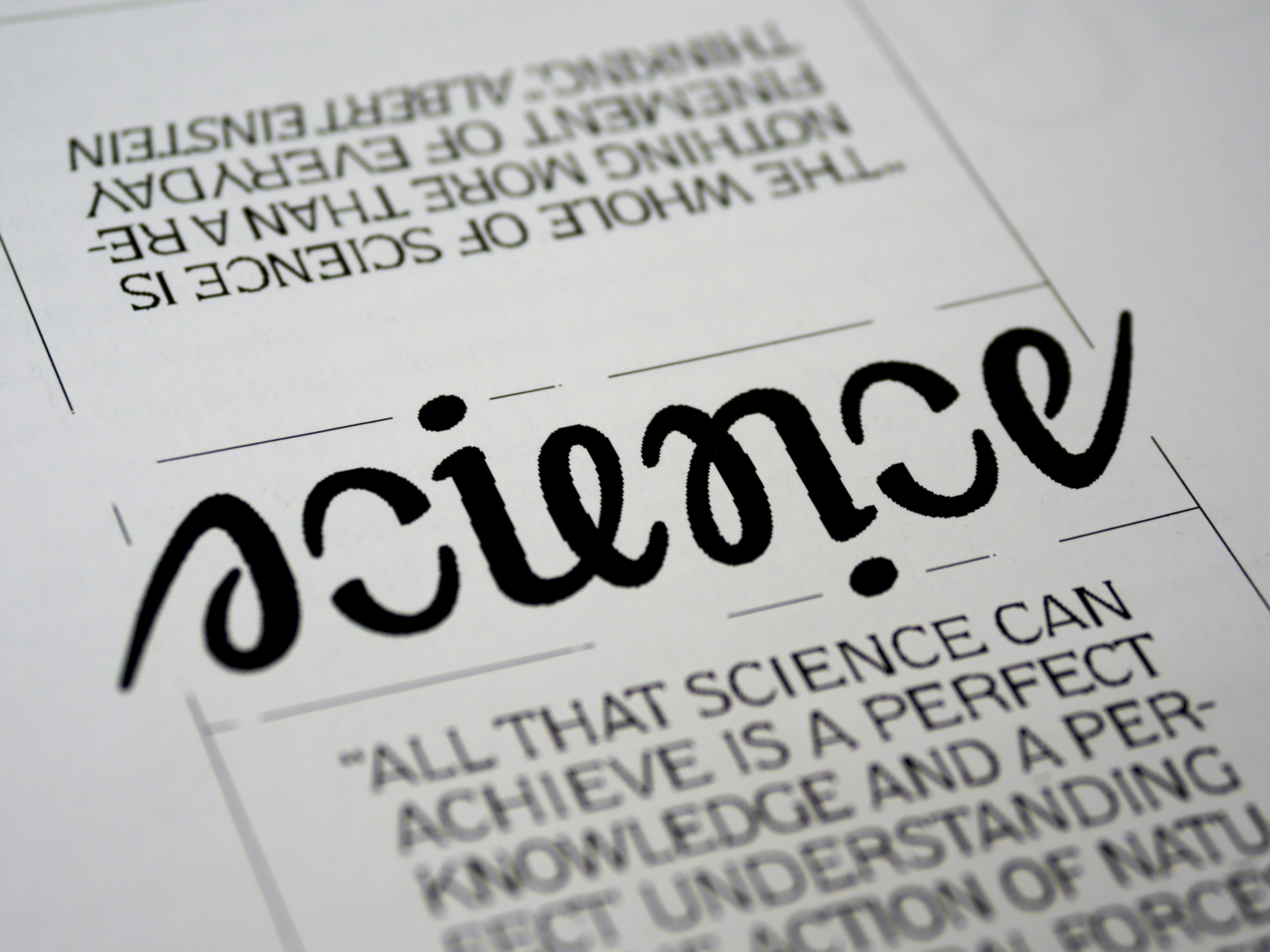
Understanding Science: The Foundation of Modern Life
Science is an integral aspect of modern life, serving as the foundation upon which our understanding of the world is built. Fundamental principles of science enable us to comprehend natural phenomena, diagnose diseases, develop technologies, and address environmental challenges. By employing systematic observation, experimentation, and analysis, science elucidates the complexities of our surroundings, providing a structured way to investigate and interpret the universe.
The scientific method, which involves making observations, forming hypotheses, conducting experiments, and drawing conclusions, plays a critical role in advancing knowledge. This approach allows for the reliable testing of ideas and contributes to the development of theories that explain and predict events in our daily lives. For instance, principles of physics govern everything from the way we move to how technologies function. Each time we utilize a smartphone, we engage with concepts of electromagnetic radiation and digital signal processing, both of which are grounded in scientific knowledge.
Furthermore, an understanding of biology underpins public health and wellness. Knowledge of microbial behavior, human anatomy, and the effects of various substances allows individuals to make informed decisions about nutrition, exercise, and disease prevention. The advancements in medicine, spurred by scientific research, have significantly improved life expectancy and health outcomes worldwide. Moreover, concepts from environmental science empower citizens to confront global issues such as climate change by understanding ecological interconnections and sustainability principles.
In essence, possessing a basic understanding of science equips individuals with critical thinking skills necessary to navigate societal challenges. Engaging with scientific concepts fosters informed citizenry, essential for tackling pressing global issues—from health crises to technological challenges and environmental sustainability. As we continue to evolve in our relationship with science, the potential to enhance our quality of life becomes increasingly significant.
The Impact of Scientific Advancements on Society
Scientific advancements have dramatically shaped modern society, influencing various sectors such as medicine, transportation, communication, and energy. These breakthroughs have not only improved living standards but also enabled a paradigm shift in how individuals interact with the world around them.
In the field of medicine, the discovery of antibiotics, such as penicillin by Alexander Fleming, revolutionized healthcare. This groundbreaking invention transformed the treatment of bacterial infections and has saved countless lives. Additionally, advancements in medical imaging technologies, such as MRI and CT scans, have enhanced diagnostic capabilities, allowing for early detection and better management of various health conditions.
Transportation has also witnessed remarkable innovations stemming from scientific progress. The invention of the automobile and advancements in aerospace engineering have made global travel accessible and efficient. The development of electric vehicles demonstrates a continuing commitment to creating sustainable transportation solutions, while high-speed trains reduce travel time between cities, enhancing connectivity.
Moreover, in the communication sector, the advent of the internet has revolutionized how people connect and share information. This transformation has facilitated the rise of social media, e-commerce, and telecommuting, reshaping both personal and professional interactions. Technologies such as smartphones have condensed communication tools into handheld devices, providing immediate access to information and fostering real-time communication across vast distances.
Scientific innovations have further advanced the energy sector, where renewable energy sources, such as solar and wind power, are progressively replacing fossil fuels. This shift not only addresses environmental concerns but also contributes to energy security and sustainability. With ongoing research, scientists continue to find new ways to harness and store energy, paving the way for a cleaner and more sustainable future.
Through these examples, it is evident that scientific advancements have fostered significant social change. Innovations have enhanced healthcare, improved transportation, facilitated global communication, and contributed to energy efficiency, ultimately leading to enriched living standards for people worldwide.
The Role of Scientific Literacy in Decision Making
Scientific literacy is increasingly recognized as a fundamental tool for effective decision-making in today’s complex world. This form of literacy encompasses an understanding of scientific concepts, methodologies, and the nature of scientific inquiry, allowing individuals to critically engage with the information presented to them. In an era characterized by rapid advancements in technology and a significant amount of scientific data being disseminated, possessing a strong foundation in scientific literacy becomes essential for making informed choices across personal, societal, and global domains.
At the personal level, individuals are frequently inundated with health-related information, ranging from nutrition to the efficacy of medical treatments. Scientific literacy empowers individuals to navigate these claims with a critical eye, distinguishing between evidence-based information and pseudoscience. For instance, understanding the scientific method aids in evaluating the reliability of health studies, enabling one to assess risks associated with different medical procedures or lifestyle choices effectively.
On a societal level, scientific literacy fosters informed public discourse. As individuals engage in discussions about pressing issues such as climate change or public health policies, a solid grasp of scientific principles allows for a more enriched dialogue. This understanding encourages citizens to adopt a skeptical approach toward sensationalized claims, demanding evidence and reasoning when addressing societal challenges. Furthermore, being scientifically literate facilitates a better appreciation of the role of technology in daily life, empowering individuals to make decisions that reflect their values and understanding of scientific advancements.
Ultimately, the relevance of scientific literacy extends to global issues, too. As we face phenomena that transcend borders, such as pandemics or environmental crises, being scientifically literate equips individuals with the ability to comprehend complex information and engage in informed debate, fostering cooperative problem-solving across nations. Thus, the significance of scientific literacy in enhancing decision-making cannot be overstated; it serves as a prerequisite for navigating the multifaceted realities of life in our scientifically driven society.
Imagining the Future of Science: Challenges and Opportunities
The future of scientific research and discovery stands at a crossroads, where challenges of significant magnitude intersect with unparalleled opportunities. As we look ahead, two pressing issues on the global stage are climate change and public health. Climate change, driven by human activity, presents an intricate set of challenges that science must tackle. Rising temperatures, extreme weather events, and the loss of biodiversity are pushing the scientific community to seek innovative solutions. This involves not only the conventional fields of environmental science but also an integrated approach involving multiple disciplines.
Public health is another major challenge that science will grapple with in the coming years. The COVID-19 pandemic has highlighted vulnerabilities in our global health systems, emphasizing the need for rapid-response capabilities and improved disease surveillance. Future research will likely focus on developing resilient healthcare systems capable of withstanding similar crises, alongside advancing vaccine technology and epidemiological studies.
On a more optimistic note, emerging fields such as artificial intelligence (AI) and biotechnology hold immense promise for scientific advancement. AI, in particular, is transforming data analysis across various domains, from predicting climate models to personalizing medicine. The integration of AI in research enables quicker insights, leading to accelerated discoveries. Biotechnology, encompassing advancements like CRISPR and synthetic biology, is revolutionizing agriculture and medicine by offering new methods for genetic engineering and disease treatment.
However, the rapid development of these technologies raises ethical considerations that must be carefully navigated. Issues related to privacy, consent, and the potential for misuse of genetic information necessitate discussions that involve scientists, ethicists, and policymakers alike. Engaging in these conversations will be crucial as we strive to harness the power of innovative technologies responsibly.
In conclusion, as the landscape of scientific research advances, the intersection of challenges and opportunities will ultimately shape the future of science. By addressing pressing global issues while embracing groundbreaking technological developments, we can foster a scientific environment that not only meets the needs of today but also paves the way for a better tomorrow.